Newborn Skin Care

Raghunath Thilagar
Author
April 23, 2026 • 5 min read
Taking care of a young baby is exciting, but it can be scary at first because they are small and delicate. A baby's skin, hair, and nails are much softer and thinner than yours, so they need gentle care. You don't need very expensive tools to do a great job. All you need is patience, a few baby safe supplies and care.
By following these steps, you will help your baby stay healthy as they grow.
How to Care for Your Baby's Sensitive Skin (Bathing, Moisturizing & Safety)
A baby's skin is their first line of defense against environmental hazards and pathogens, but the baby's skin is also 30% thinner than an adult's skin. It means it can lose moisture much faster and absorb chemicals more easily.
Bathing Frequency
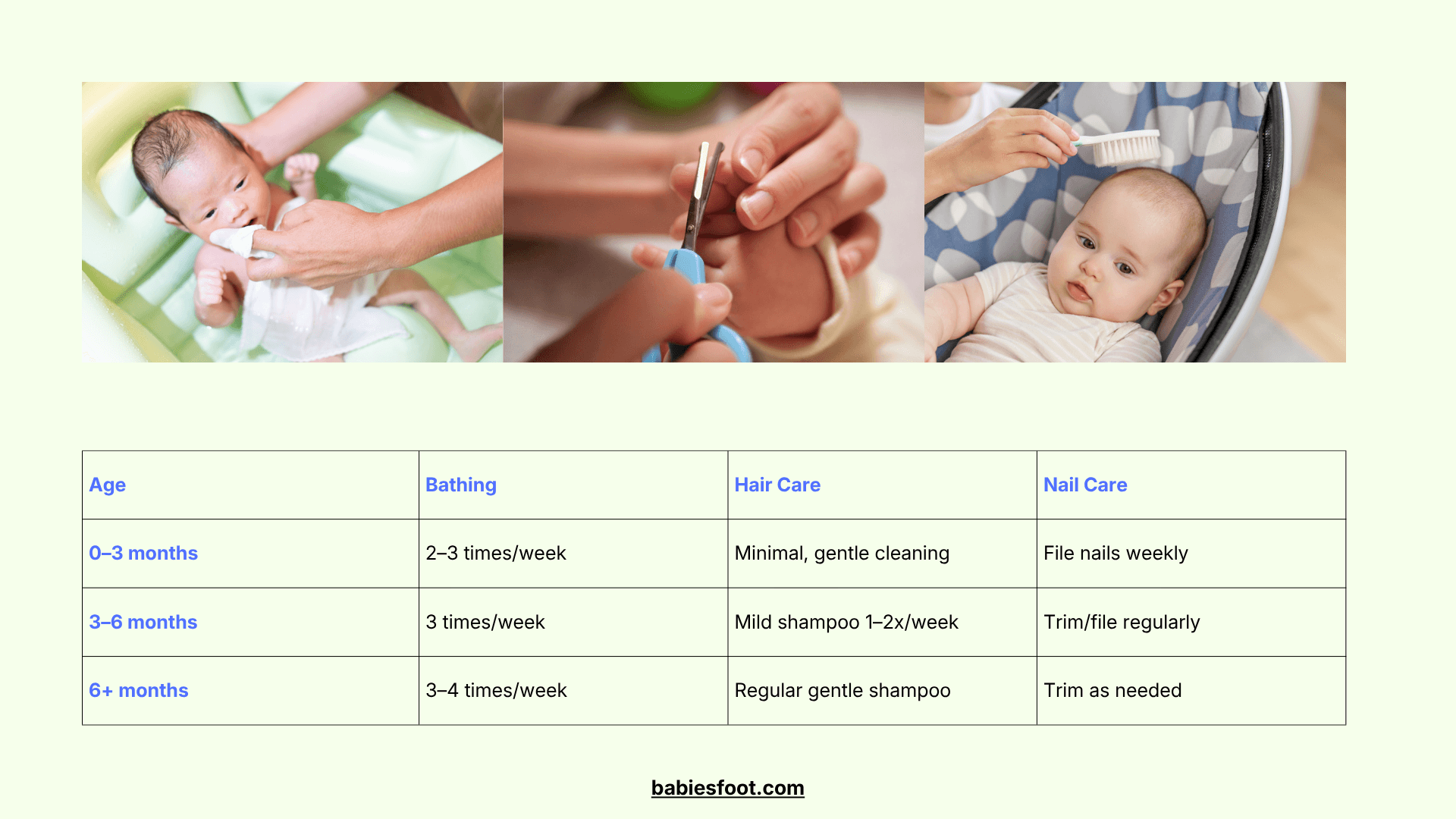
You don't need to bathe your baby every single day. In fact, giving very frequent baths can strip away the natural oils that keep their skin waterproof and soft. Experts at the Mayo Clinic aim for three full baths per week. One the days you don't give a full bath, simply perform a top to toe wash using a warm, damp cloth to clean their face, neck and diaper areas.
Water Temperature
Always fill the tub with only a few inches of water. The temperature should be lukewarm water, which is roughly around 37°C to 38°C. Since your hands are used to hot things, these are not good at judging the temperature for a baby. Use your inner wrist or elbow to test the water. If you feel slightly hot to you, it is too hot for the baby.
Right Cleansers
Lots of baby soaps in the market have the appealing bright color with heavy scent, these products should be avoided. Look for the products with fragrance-free, dye-free and neutral pH. Many clinical studies have mentioned that fragrances are the number one cause of skin irritants in babies. According to the AAD, for babies under 6 months, you don't need soap; plain lukewarm water is more than enough for cleaning the baby.
| Safe Choices | Avoid These |
|---|---|
| Fragrance-free cleansers | Strong scented soaps |
| pH-neutral products | Harsh chemicals |
| Zinc oxide creams | Alcohol-based products |
| Soft baby brushes | Hard bristle brushes |
Moisturizing Techniques
If your baby's skin looks flaky or dry especially around the ankles or wrists apply baby safe moisturizer within three minutes after the bath. Always pat the skin dry with a soft towel and while the skin is slightly damp apply a thick baby safe lotion. Applying lotion while the skin is still damp seals the water into the skin so it stays hydrated.
| Step | What to Do |
|---|---|
| Water temp | 37–38°C |
| Duration | 5–10 minutes |
| Products | Mild or no soap |
| Drying | Pat dry gently |
| Moisturizing | Within 3 minutes |
Diaper Area Shield
This is the most sensitive part of the baby's skin because this part is most in contact with moisture. When babies use diapers, change it as soon as they are soiled to prevent diaper rash. Use thick baby cream containing zinc oxide or other natural active ingredients. You don't need to wash the cream off for every diaper change, just add more cream on top to ensure the baby's skin never touches the wet diaper.
| Issue | Cause | What to Do |
|---|---|---|
| Dry skin | Frequent bathing | Apply moisturizer |
| Diaper rash | Moisture exposure | Use barrier cream |
| Cradle cap | Hormones/yeast | Oil + gentle brushing |
| Baby acne | Hormonal changes | Keep skin clean, no creams |
| Action | How Often? | What to Use? |
|---|---|---|
| Full Bath | 3 times a week | Warm water with fragrance-free soap. |
| Daily Cleanup | Every day | A soft, warm, damp cloth (no soap). |
| Moisturizing | After every bath | Thick cream or petroleum jelly |
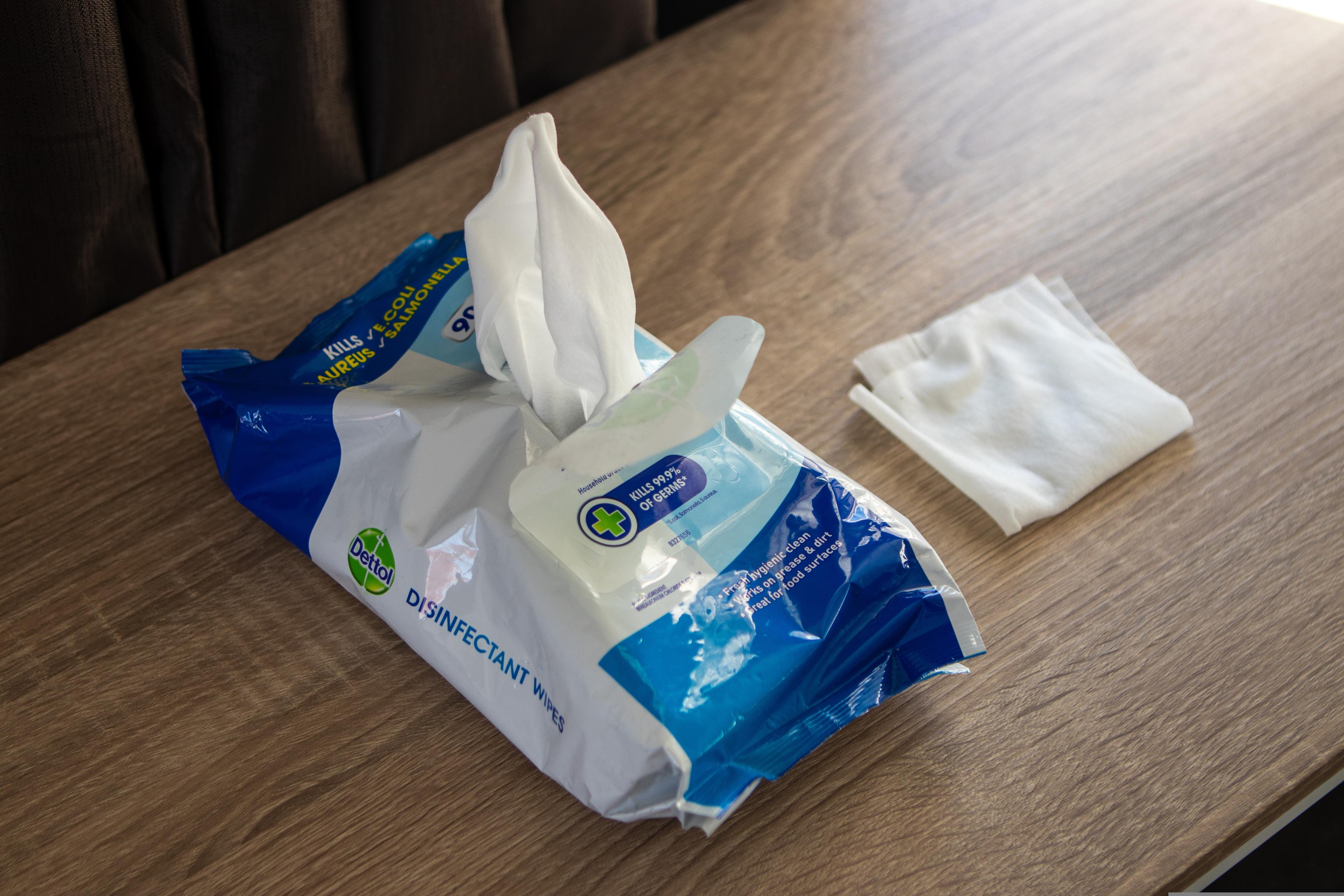
| Diaper Changes | Whenever wet or dirty | Plain water, soft wipes, barrier cream. |
Detailed Hair & Scalp Care
Whether your baby was born with a full head of hair or completely bald, the scalp needs special attention to stay healthy and prevent irritation.
Shampooing Habits
You only need to shampoo your baby's hair once or twice a week. When you do shampoo use a tear-free formula, because these shampoos are specially designed not to irritate your little ones eyes like a normal shampoo would. When washing-off shampoo pour a small cup gently over the head, while slightly titling the baby's head so water won't run down on their face and cause an uncomfortable feeling.
The Cradle Cap
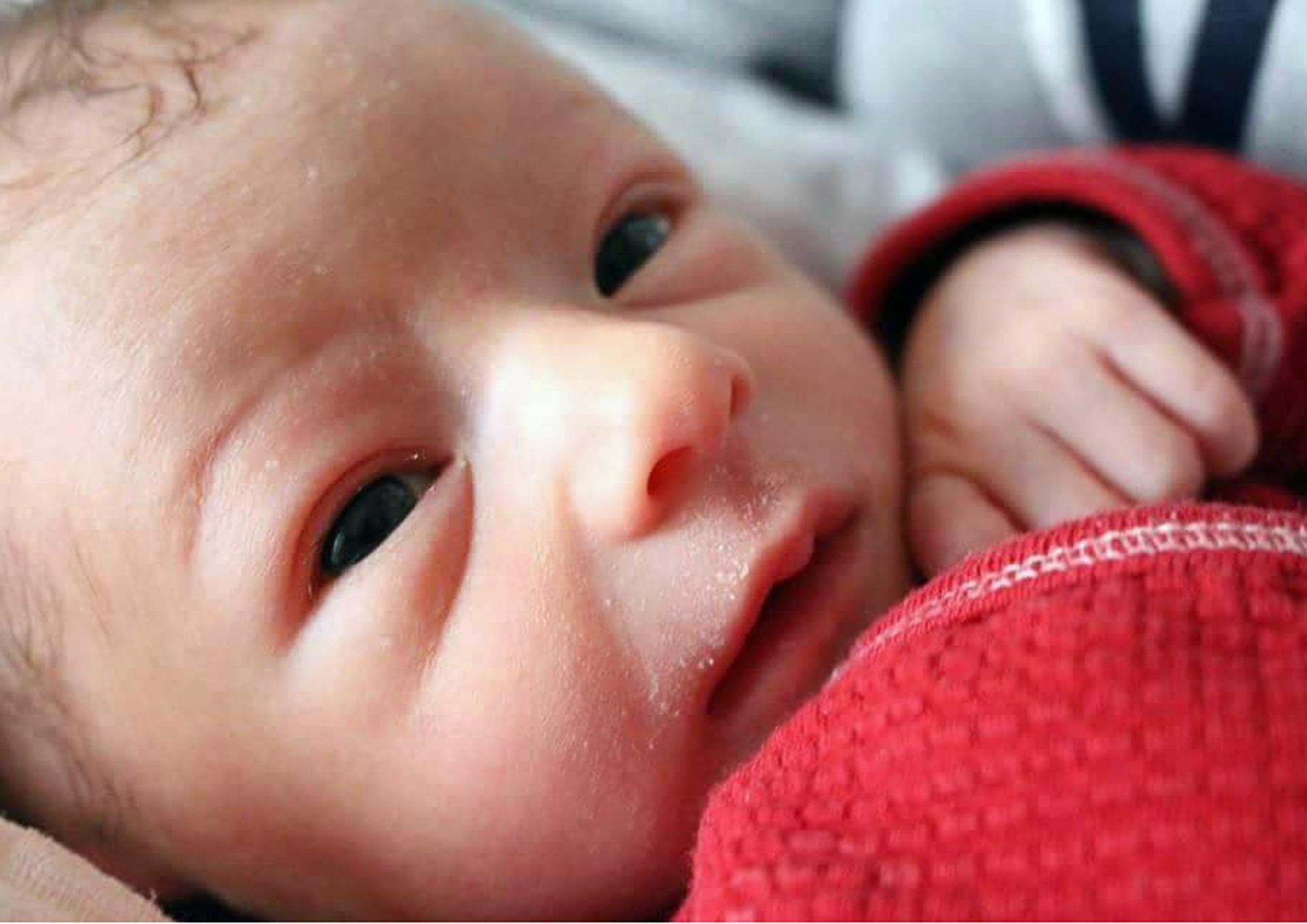
Rarely babies develop a condition called cradle cap (seborrheic dermatitis) which is a thick, oily yellow or crust patch on the scalp. It is not an infection or dandruff. The major cause of this condition is maternal Hormones and malassezia yeast. To treat this, apply a tiny amount of natural oil (we think coconut oil is best) on the scalp and let it sit for 20 minutes. This will soften the crust, then you can use a soft brush to comb to remove the crust before washing the hair.
Massage & Stimulation
Even if your baby has no hair, combing with a very soft bristly baby brush once a day is very beneficial. Regular massaging stimulates the hair follicle growth and boosts the blood flow to the scalp. Apart from these benefits, this daily ritual is soothing and can help them relax.
How to Trim Baby Nails Safely Without Hurting Them
Baby's nails are incredibly sharp and grow at an incredibly fast rate. The American Academy of Pediatrics notes that babies have very little control over their hands, often scratch their face, leaving them with small scars (don't panic, these scars will disappear in a few weeks).
Timing for Trimming
Trying to clip baby's nails can be a very stressful experience. The best strategy is to do it after feeding when they are relaxed and deeply asleep. If you have a cooperating baby, another great time is right after the bath. After bath the baby's nails are saturated with water so they are soft so it is easy to clip without leaving any splinters.
Right Tools for the Job
Don't use adult nail cutters at all cost, their blades are too wide you might unknowingly hurt the babies finger. Use baby nail clippers with rounded edges. Another great option is to use a dedicated baby nail file. These electric files have oscillating pages that stop moving when they touch the skin, making it 100% safe for babies.
The Cutting Technique
For fingernails, follow the natural curve of the nail. For the toenail always cut straight to prevent any ingrown nail forming. If you accidently cut the skin and it starts bleeding dont panic. Just put a clean piece of gauze or tissue over the cut and apply slight pressure until bleeding stops.
| Step | Tip |
|---|---|
| Timing | After feeding or sleep |
| Tools | Rounded baby clippers |
| Technique | Follow nail shape |
| Emergency | Apply pressure if bleeding |
| Do's | Don'ts |
|---|---|
| Use fragrance-free products | Use scented soaps |
| Bathe 2–3 times/week | Over-bathe daily |
| Moisturize after bath | Skip hydration |
| Use baby nail tools | Use adult clippers |
| Keep nails short | Let nails grow sharp |
Daily Baby Care Routine: Simple Habits for Healthy Growth
In the end, the most important learning when it comes to baby care is less is more. You don't need to do everything perfectly every single day. As long as you are gentle with the baby and use baby safe products your baby will do just fine.
Taking care of their bath routine, nail trimming, brushing their hair is also a great way to connect to each other and spend time together. When your baby gets used to these routines, you will feel much more confident. Just take your time, learn how your baby reacts and enjoy these moments! It won't happen again.
Short Videos: Newborn Care Tips
Essential Newborn Care
Bathing and hygiene tips
Scalp & Hair Care
Dealing with cradle cap
Safe Nail Trimming
Gentle grooming techniques