Is Sapota (Chikoo) Safe to Eat During Pregnancy? Benefits & Precautions
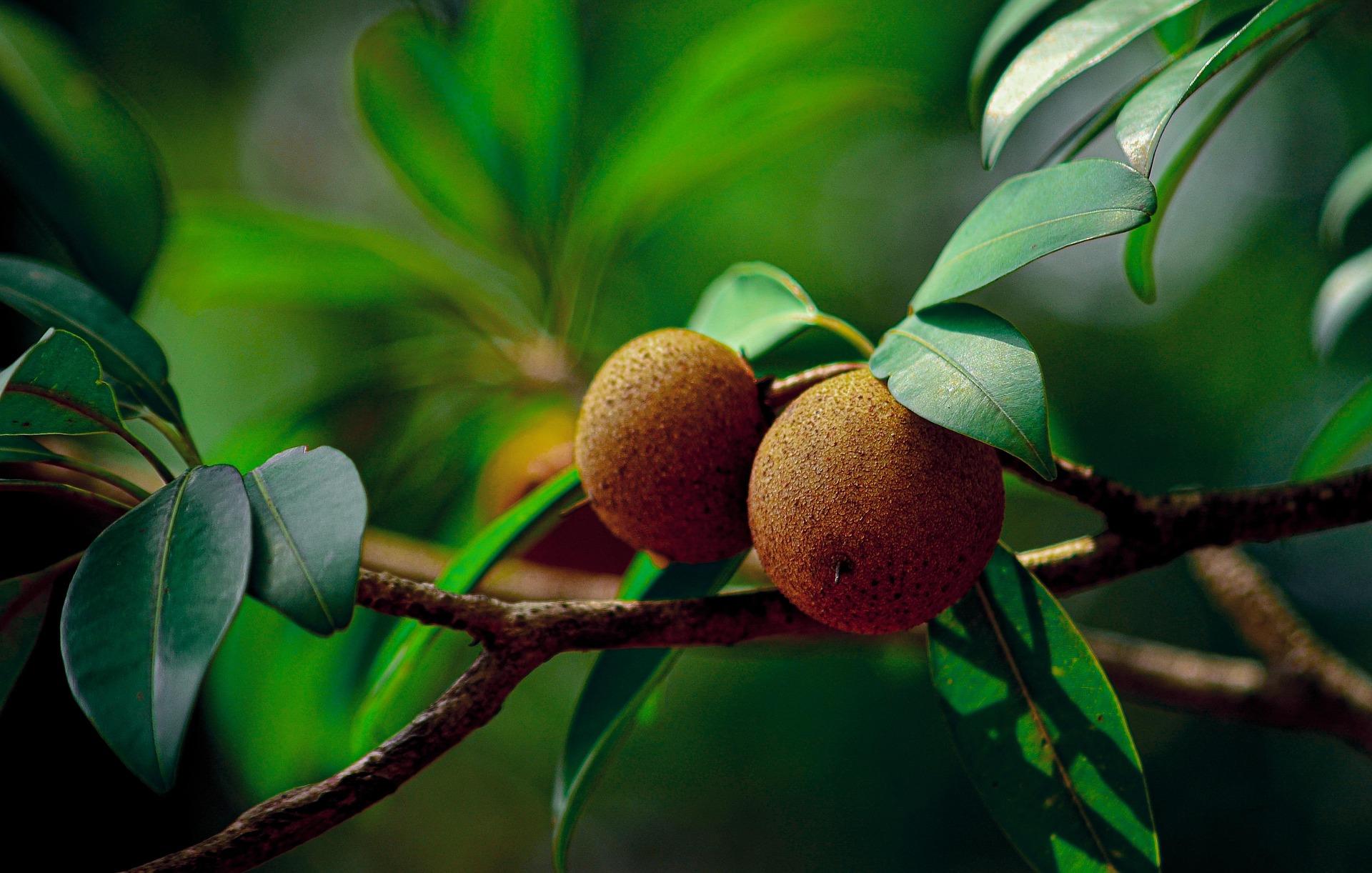
If you are craving for something sweet and healthy while expecting with your baby, you might be looking at a Sapota (also popularly known as Chikoo) and wondering if it's okay to eat? The very short answer is yes! Most doctors say it is perfectly fine to eat Sapota during pregnancy.
Think of Sapota as nature's sweetener. This fruit is so soft, sweet and full of healthy nutrition which is good for your body. Here is full information why this fruit is a great choice when you are pregnant and how to eat it safely.
Why Sapota is Good for You and Your Baby
If you are craving for something sweet and healthy while expecting with your baby, you might be looking at a Sapota (also popularly known as Chikoo) and wondering if it's okay to eat? The very short answer is yes! Most doctors say it is perfectly fine to eat Sapota during pregnancy. It is also good for your baby.
Think of Sapota as nature's sweetener. This fruit is so soft, sweet and full of healthy nutrition which is good for your body. Here is full information why this fruit is a great choice when you are pregnant and how to eat it safely.
When you are pregnant, your body needs double of its nutrition needs. Sapota helps by providing several superhero nutrients:
1. Quick Energy
Pregnancy can be very exhausting and expecting can feel very tired and dizzy especially in the last trimester. Sapota has two important natural sugars (Sucrose and Fructose), eating it provides you instant energy without needing any sugary drinks or processed snacks.
2. Digestive Support
Constipation is the most common issue pregnant women face. Sapota is very high in dietary fiber, which helps regulate bowel movements and acts as a natural laxative to keep the digestive system smooth and clean.
3. Bone and Blood Health
The fruit contains a good amount of calcium and phosphorus which are vital for the development of baby skeletal structure. It is also rich in iron which is essential for maintaining hemoglobin levels and preventing anemia.
4. Electrolyte Balance
It also has a very decent amount of potassium and magnesium, consuming this will help manage blood pressure levels and avoid frequent leg cramps, which many women experience in the second and third trimesters.
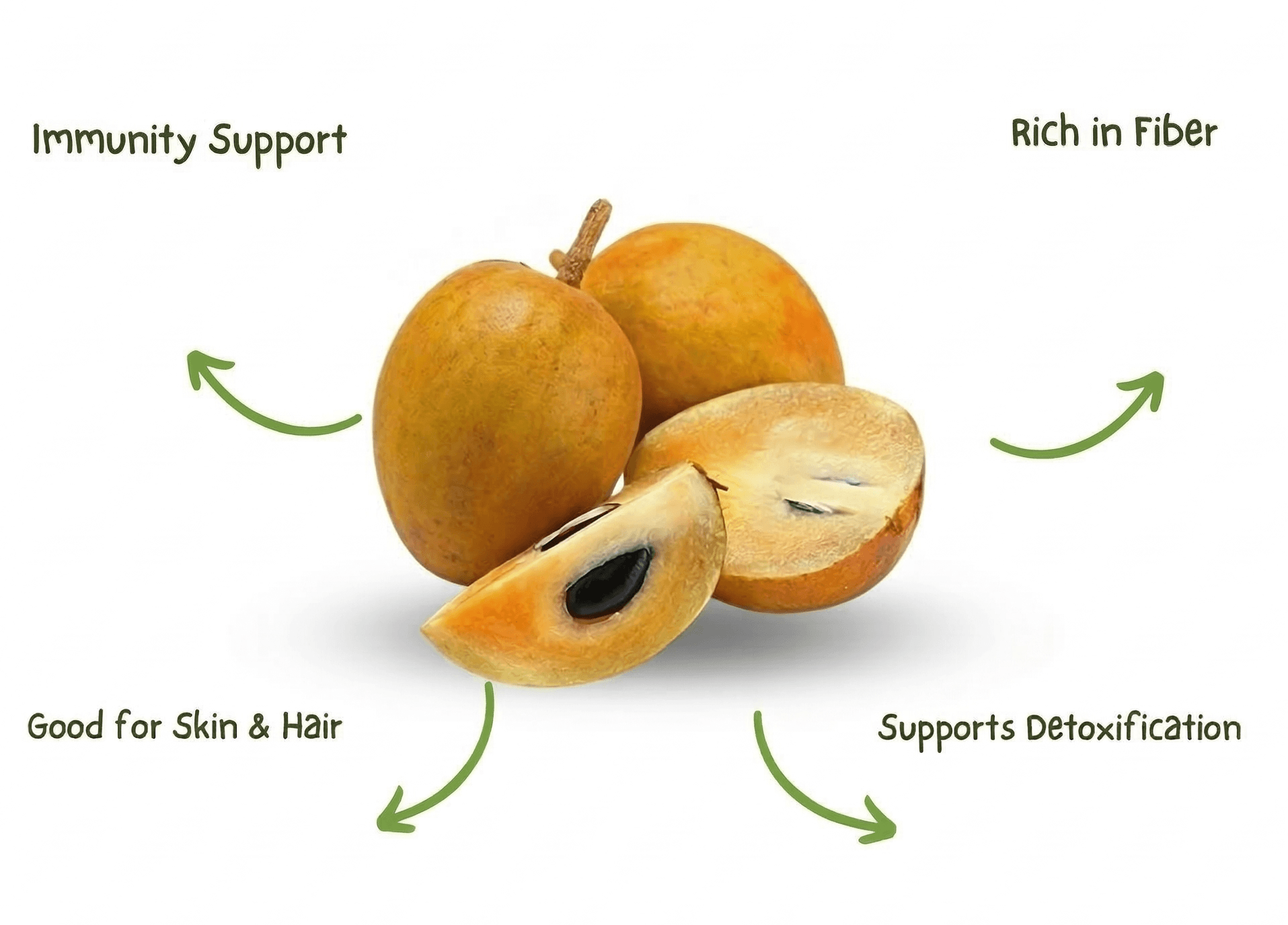
Summary Guide
| Benefit Category | Key Nutrients | How it Helps |
|---|---|---|
| Digestion | Fiber | Prevents constipation |
| Energy | Natural Sugars | Instant fuel boost |
| Immunity | Vitamin C & A | Fights infections |
| Bones | Calcium & Phosphorus | Strengthens bone density |
| Skin | Vitamin E | Anti-aging support |
| Heart | Potassium | Manages blood pressure |
| Inflammation | Tannins | Reduces swelling |
Easy Ways to Enjoy Sapota in Your Diet
Adding Sapota to your diet is very simple, there are several ways to include it in your diet. Here are the three simple ways that you can enjoy sapota in your diet.
1. The Scoop
Cut the fruit in half and take the black seeds out. Use the silver spoon to scoop out the flesh and eat directly.
2. The Shake
Remove the skin and seeds from the fruit and blend one sapota with a glass of cold milk. It tastes like a caramel milkshake but it's much healthier.
3. The Topping
After peeling the skin and removing the seeds, chop the fruit into smaller pieces and mix into your morning bowl of oats.
Important Precautions When consuming Sapota
While the benefits are numerous when eating Sapota, there are three main yellow flags you have to keep in mind:
Gestational Diabetes
Sapota is very sweet fruit so obviously its very high sugar and has a very high glycemic index. If you have been diagnosed with gestational diabetes, consult with your doctor before adding to your diet.
Calorie Density
This fruit is very high in calories. Over-eating this fruit can lead to excessive weight gain. Always stick to one to two fruits per day.
Ripeness Matters
Never eat an unripe Sapota. Unripe fruit contains a very high amount of latex and tannins which causes a bitter taste in the mouth, causes mouth ulcers and potentially leads to stomach discomfort and throat irritation.
Recommended Reading
Iron for Babies and Kids: Top Foods and Health Benefits

Introducing Eggs to Babies in 2026: When, Why, and How to Start
Starting Solids: How (and When) to Safely Introduce Yogurt to Your Baby