Starting Solids: How (and When) to Safely Introduce Yogurt to Your Baby
"Learn why yogurt is the perfect first food for your 6-month-old, including serving tips, creative mixing ideas, and essential safety advice for a mess-filled, healthy journey."
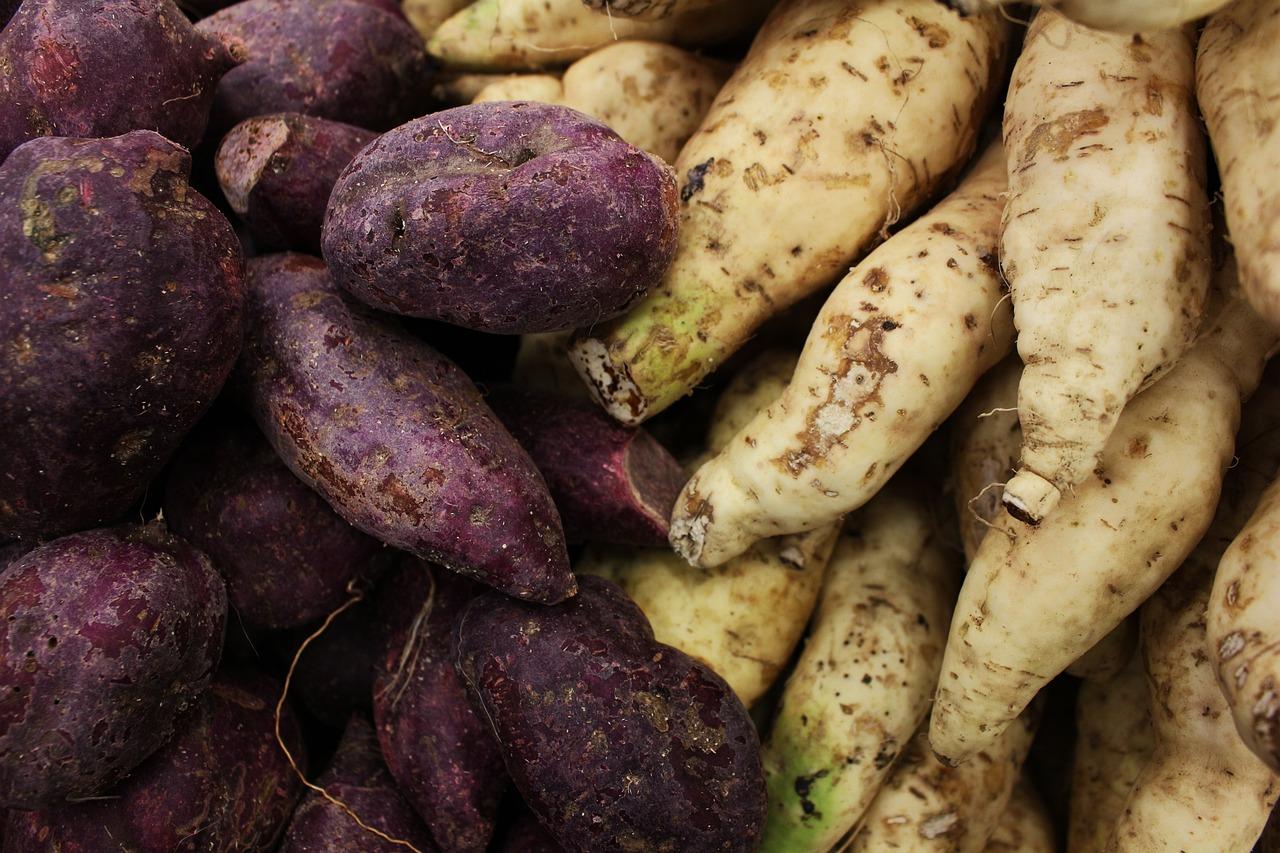
Starting solid food is one of the most exciting milestones of your baby's journey. While many parents start with mashed fruits, sweet potatoes or potatoes, yogurt is actually one of the best foods you can feel for a baby. It is very soft, smooth and loaded with essential nutrition to help the baby grow.
In this article, we will explain everything you need to know about when to start feeding your baby yogurt, how to select yogurt and how to serve it safely to your little one.
When Can Babies Start Eating Yogurt?
Most babies are ready to try yogurt as soon as they start solid foods, typically around 6 months old.
While babies shouldn't drink cow's milk until they turn one, yogurt is different. The fermentation process breaks down milk proteins and adds healthy bacteria, making it much gentler on a baby's digestive system.
Why is Yogurt a Superfood for Babies?
1. Brain Growth
The first few years are very crucial for a baby's brain growth. Babies need a lot of fat for their brain to develop properly. Yogurt is a great source of healthy fats.
2. Strong Bones
Yogurt is full of calcium (183 mg per 100 gm), phosphorus (144 mg per 100 gm), and Vitamin D (0.1 µg per 100 gm), which help your baby grow strong bones and healthy teeth.
3. Tummy Health
Yogurt contains a lot of probiotics. Probiotics are good bacteria which normally live in the gut. Good bacteria help your baby digest food better and even help prevent diaper rash and stomach upsets.
4. Immune System
The vitamins especially Vitamin A (12 µg per 100 gm) and Vitamin B12 (0.5 µg per 100 gm) along with the probiotics helps build a strong immune system to keep your baby from getting sick.
How to Choose the Best Yogurt
With so many options, look for these specific things on the label to ensure you're getting the healthiest choice for your little one:
1. Full Fat (Whole Milk)
Always choose yogurt made from whole milk. Babies under 5 years old should not have low-fat or diet yogurt because babies need those fat and extra calories for their growth.
2. Plain & Unsweetened
Many yogurts for kids are added with a lot of sugar and flavors. Too much sugar is bad for your children's teeth, overall health and the worst part they might become a picky eater. Always choose plain yogurt.
3. Pasteurized
This is very crucial when choosing yogurt. Non-pasteurized yogurt may contain several harmful bacteria which might cause several bacterial infections to the baby. Never give raw or unpasteurized dairy.
4. Greek Yogurt
Instead of selecting plain yogurt you can choose greek yogurt, which is thicker than regular yogurt. Since it's thick it stays on a spoon easily and is easier to feed the baby.
Serving Yogurt Safely at Every Age
Experience & Exploration
Offer plain and full-fat greek yogurt. Use a silicone spoon or let them use their hands. Let them feel the texture and lick it from their fingers. It's messy, but that's how they learn!
Skill Building
Your baby is getting better at using their hands. You can pre-load the spoon for them. If they aren't comfortable with a spoon yet, letting them eat with their hands is perfectly okay.
Independence
Toddlers can practice dipping the spoon themselves. Limit to 2 servings per day to ensure they have room for other essential nutrients from various foods.
Creative Mixing Ideas
Plain yogurt can be a bit bland. If your baby isn't a fan of the plain taste, try these natural ways to add flavor and nutrition:
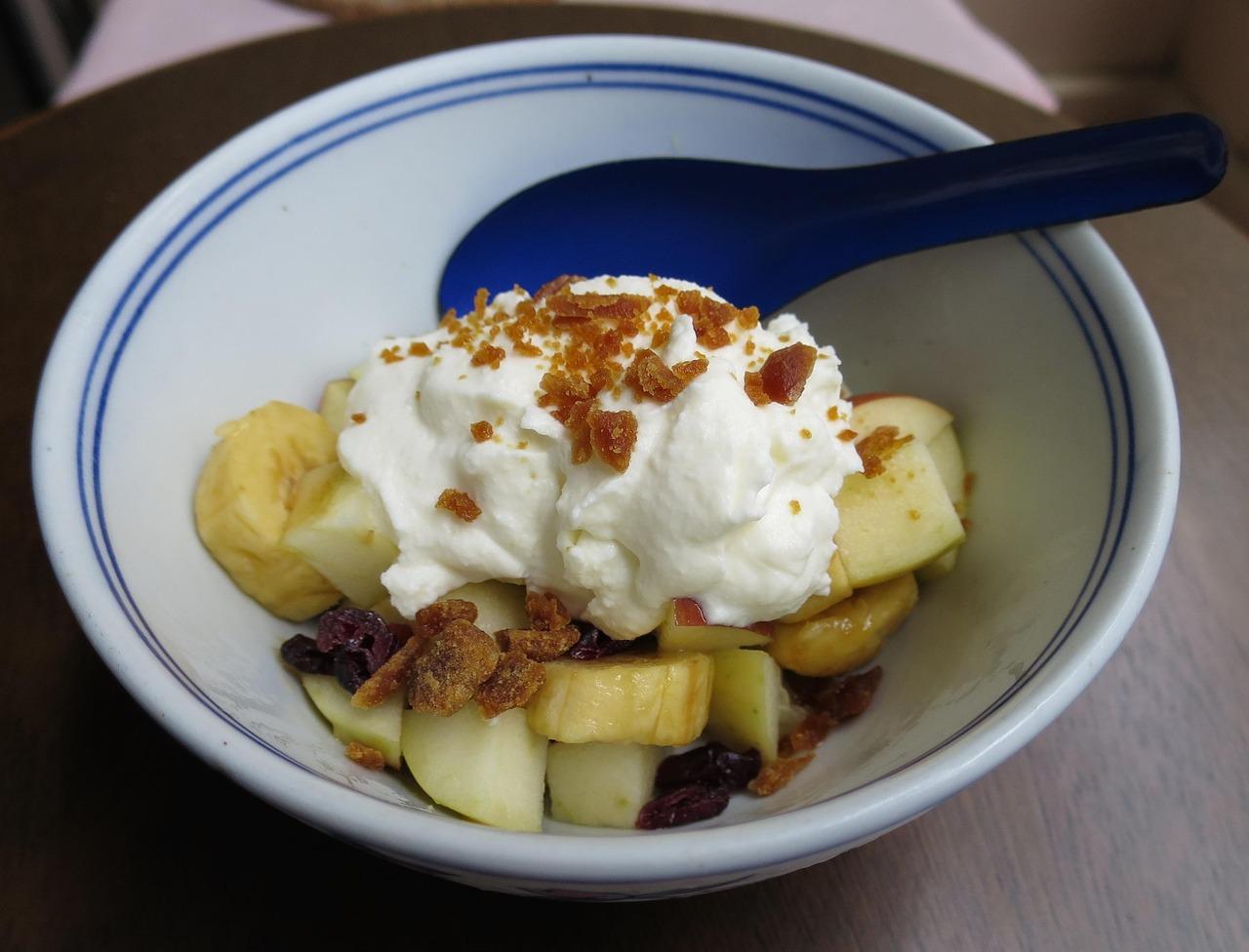
- Mashed Banana: Adds natural sweetness and potassium.
- Steamed Apple or Pears: Mix well for a boost of fiber.
- Berry Puree: (For older babies) Adds antioxidants and vibrant color.
Note: Always avoid artificial sugars or honey for babies under one year.
Yogurt Feeding Summary
| Age Group | Focus | Method |
|---|---|---|
| 6-8 Months | Experience | Hands & Silicone Spoon |
| 9-12 Months | Skill Building | Pre-loaded Spoon |
| 12+ Months | Independence | Self-dipping Spoon |
Essential Safety Tips
Avoid Honey
Never add raw honey to your baby's yogurt if they are under one year old. Honey can contain rare bacteria dangerous for infants with developing immune systems.
Allergy Check
Milk is a common allergen. Start with a small amount and wait a few days to check for symptoms like rashes, vomiting, or diarrhea.
Choking Safety
Plain yogurt is smooth and safe. However, if adding fruit, ensure it is mashed or cut into very thin, soft pieces to prevent choking.