Nature vs. Chemicals: The Ultimate Guide to Baby Skin Care
When you hold a new born baby, the first thing you notice is their incredibly soft skin. But if you are a parent, that perfect skin can turn into red, bumpy, or itchy in seconds.
A newborn baby's skin is about 30% thinner than adults, it loses moisture faster and absorbs more easily. This is why babies usually struggle with red patches, diaper rash, eczema. While pharmacy and over the counter products promise results, many parents are turning back to nature.
But why are parents turning to nature? Does natural alternatives mean better or is it just a trend? Let see why natural ingredients are the best defence against baby skin allergies.
Problem with "Invisible" Chemicals
Before we talk about the good benefits of the natural ingredients we have to talk about the negative impacts of the chemical products first. Most of the mainstream baby products have synthetic fragrances, parabens and sulfates. To an adult these chemicals might be very normal, but for babies these are irritants.
Fragrances
The fresh baby scent in many soaps and lotions are a mixture of chemicals which can trigger respiratory issues and skin allergy.
Sulfates (SLS)
Sulfates in the soap and body washes make soap bubby, but these are harsh chemicals, these can strip away the natural oils which keeps the baby's skin hydrated.
Preservatives
Some synthetic preservatives used in the baby products release very small amounts of formaldehyde, which is a big "no-no" for sensitive skin.
When these chemicals touch the baby's thin skin, they break down the skin barrier. When it is strong, it locks in the moisture and keeps the germs out. Broken skin barrier may cause itches, red patches and allergies.
Natural Ingredients for Your Baby
When we talk about natural ingredients, we aren't just talking about "plants." We are talking about ingredients that mimic the skin’s natural oils. Here are the heavy hitters that help prevent allergies:
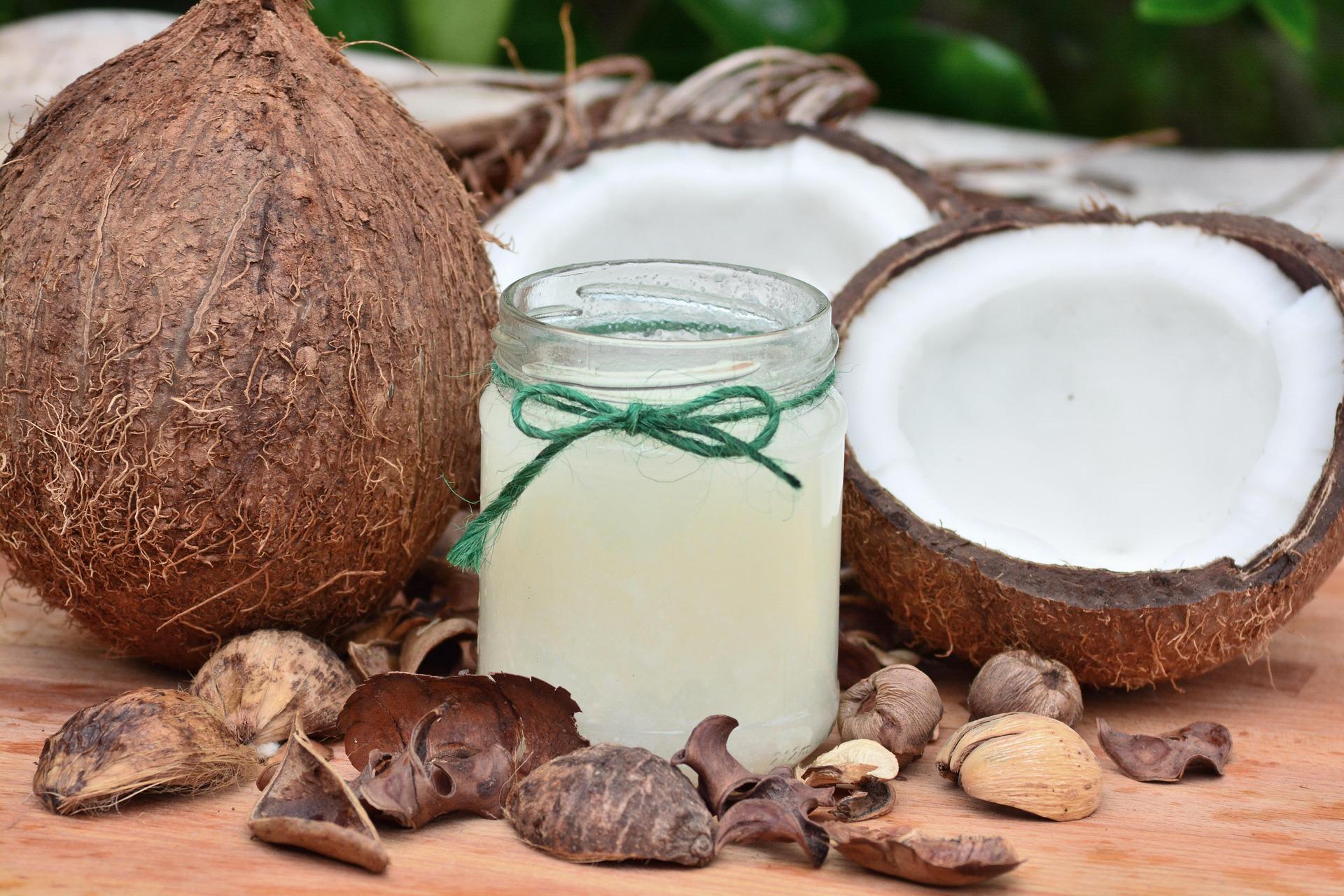
Organic Coconut Oil
Coconut oil is a favorite for many parents and there is a reason for it. Coconut oil is rich in Lauric Acid, which has strong antimicrobial properties. This means it helps fight off the bacteria and fungi that cause rashes and patches. It also has an emollient, meaning it fills the tiny gap in a baby’s skin to keep it smooth.
Calendula & Chamomile
If your baby’s skin is already looking pink and with patches these two ingredients are your best options. Calendula is known for healing. It helps skin cells repair themselves faster. When used as a cream chamomile, it acts as a natural anti-inflammatory, soothing the itchiness.
Shea Butter
Shea butter is very thick and creamy. It is packed with Vitamin A and E. Because of the thickness of the shea butter, it creates a physical barrier on the skin. This ingredient is especially great for diaper rash treatment and prevention, as it prevents the wetness from touching the skin.
Aloe Vera
Aloe vera is one of the safest ingredients available in nature. Sometimes baby skin gets hot and irritated, especially in the summer. Aloe vera has a lot of water and provides an instant cooling without using any form of alcohol based gels.
How Natural Ingredients Prevent Allergies
It is a very common mistake to think that natural ingredients cure allergies. In reality their biggest role in allergies prevention. Here is how they work:
Strengthening the Barrier
By using oils like Jojoba or almond oil, you are giving the skin its essential fatty acids, which the skin needs to stay strong. A strong skin barrier is the best defense against allergens like dust, pollens, and harsh detergents.
Maintaining pH Balance
Humans skin is slightly acidic in nature. Natural ingredients respect this pH and they don't change these levels. Harsh chemical based products are often too alkaline in nature, which invites bacteria to grow.
Reducing "Toxic Load"
Every time you use a natural product, you are reducing the number of synthetic chemicals your baby has to process. Less amount of chemicals in their system means, less likely they have to deal with an over-reactive immune response (commonly known as allergy).
Caution: Not Every Plant is a Friend
Just because something is natural doesn't mean it is 100% safe for every baby. For example, some babies might be sensitive to essential oils like lavender or tea tree oil if they are too concentrated.
Always try a tiny bit of a new product on your baby's leg first and wait for 24 hours. If there is no redness or allergies, you are good to go!
Practical Tips for Parents
Switching to a natural routine doesn't have to be expensive or complicated. Here’s a simple guide:
| Task | Natural Alternative |
|---|---|
| Bath Time | Use plain water or a very mild, nature-based soap only once or twice a week. |
| Moisturizing | Apply organic virgin coconut oil right after a bath while the skin is still damp. |
| Diaper Changes | Look for balms containing zinc oxide and beeswax to provide a waterproof shield. |
| Laundry | Use "free and clear" detergents or soap nuts to wash baby clothes and blankets. |
Final Thought: Safety First
Your baby's skin is the first line of defense against the world. While chemical based pharmaceutical products can provide a quick fix or nice smell, they often come with a hidden cost such as irritation and sensitivity.
By choosing the natural ingredients that come from the earth, you are working with the baby's biology, not against it. Keeping it simple is usually the best way to keep your baby comfortable, happy, and rash-free.