Screen Time for 3 to 6 Months Babies: Are LED Television Screens Safe?
It all starts innocently as the TV hums in the background. Cartoons and colors flashes across the screen and your little one’s eyes are locked, mesmerized by the bright flickers. At that moment you start to wonder: Should I switch that off? Is this harmless curiosity? Are LED TV screens even safe for my baby?
Do you have a baby between 3 and 6 months? Have you often found yourself asking these questions? If yes, you are at the right side of the internet. So, ditch the guess work and dive into what experts opinions on screen time for babies.
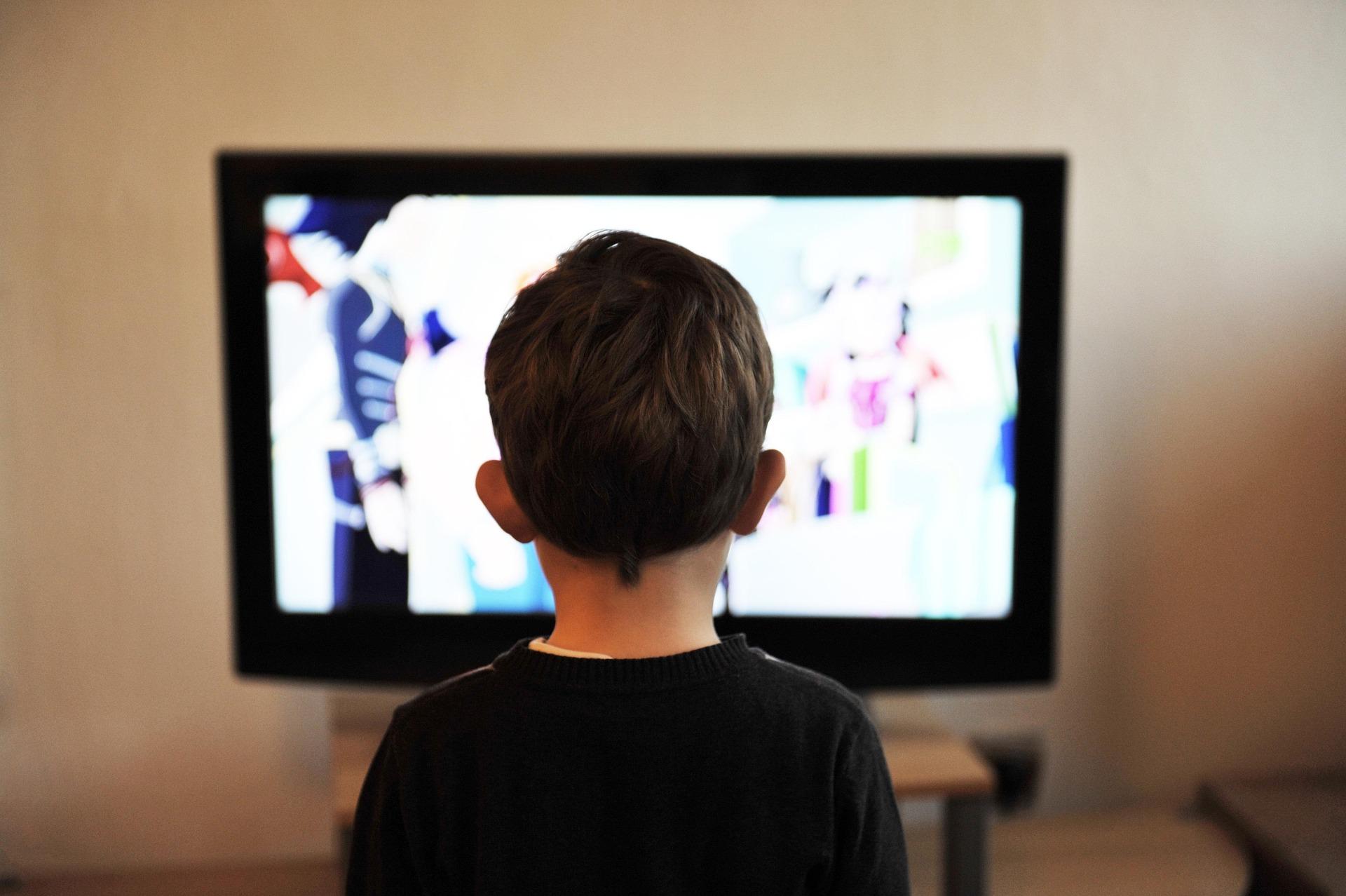
Screen Time is a Big NO-NO
You read it right—screen time is a big no for babies. Based on studies focusing on brain development, sleep, and attention span, experts from the Indian Academy of Pediatrics has made the guidance clear:
Absolutely NO screen time for babies under 18 months. The only expectation being video chatting with family. This specific advice is to prevent them from displacing any essential development activities like playing and sleeping.
For children 18 to 24 months, you can introduce them to high-quality shows, but sparingly. This means you can let them watch programs that are slow, have a consistent, subtle colour scheme and aren’t over stimulating.
If necessary, ensure minimal exposure with low brightness and no flashing lights. At 3 to 6 months, your baby’s brain is developing at an extraordinary pace. Neural connections like eye contact, movement, touch, voices, and play are forming rapidly in response to real-world interaction. Since screens do not provide the same kind of responsive feedback, it is best to keep them away.
Bright Colors, Busy Brains: Why Early Screens Can be Harmful for Babies?
1. Rapid Brain Development
Your baby’s brain builds connections in the first year of its life through what scientists call 'serve and return' exchanges. When your baby coos and you respond, or when they look at your face and you smile back, those interactions wire their brain for emotional regulation and language development.
Their brain cannot replicate this through passive screen viewing. Research suggests that excessive screen time for babies can interfere with attention regulation and language acquisition later on.
2. Attention and Sensory Overload
LED television screens are bright and often include fast-moving visuals and rapid scene changes. For a 3 to 6 month old infant, this can be overstimulating.
At this age, babies are still learning to process basic sensory input. Sudden flashes, quick transitions, and loud sounds may overload their developing sensory systems. While a few seconds of exposure is unlikely to cause harm, repeated or prolonged viewing can contribute to shorter attention spans over time.
3. Sleep Disruption
Did you know that the blue light emitted from LED screens can suppress melatonin production? Even indirect exposure, such as a TV playing in the background during evening hours, can interfere with sleep patterns. This is true for adults, so imagine what it does to a baby!
For babies, consistent sleep is critical for growth and brain development. A TV running in the room during bedtime routines may make it harder for infants to be calm in the moment. Pay attention to signs where your baby becomes fussy, overstimulated, or has trouble falling asleep after screen exposure.
4. Background Television Counts As Screen Time
Many parents assume that if the baby is not actively watching, it does not count as screen time. But it does! Research shows that background television can still impact infants.
Studies have found that when a TV is on:
- •Parents speak fewer words to their babies.
- •Interaction quality decreases.
- •Babies shift attention more frequently.
That reduction in verbal interaction can affect language development over time. Even if your baby is on a play mat facing away from the TV, the noise and visual distraction can interrupt meaningful bonding time.
Is Occasional Exposure To Screen Harmful for Babies?
This is where guidance for new parents matters. If your baby briefly glances at a television while you are watching something, it does not mean you have caused permanent damage. The concern lies in regular or long exposure, not fleeting moments.
Fleeting Moments
A few seconds of looking at the TV while you pass through the living room is unlikely to be harmful.
Regular Use
Regularly placing your baby in front of the television for stimulation or calming purposes is not recommended.
Intentional screen use for babies under 6 months offers no developmental benefit. At this stage, real-world interaction is vastly superior.
Are educational baby videos okay?
Despite marketing claims, research consistently shows that infants under 12 months do not effectively learn from screen media the way older children do.
Experts have coined this as the video deficit effect—when babies struggle to transfer information from a two-dimensional screen to the three-dimensional real world. In simple terms, your baby learns more from your face than from any animated character.
Practical Guidance for Parents
Keep Screens Off When Possible
Avoid having the television on in rooms where your baby spends most of their awake time.
Prioritize Face-to-Face Interaction
Talking, singing, reading, and playing on the floor stimulate language and motor development far more effectively than screens.
If Exposure Is Unavoidable
Sometimes screens are part of family life. In those situations:
- Keep brightness low.
- Avoid flashing lights or rapid scene changes.
- Limit exposure to very brief periods.
- Turn off screens at least one hour before bedtime.
Model Healthy Screen Habits
Babies observe more than we realize. Reducing your own screen use during interaction time supports stronger bonding and development.
The Bigger Picture: What Parents Really Want to Know
Will a few minutes of TV harm my baby?
No, occasional accidental exposure is unlikely to cause measurable harm.
Should I intentionally use television to entertain my 3 to 6 month old?
No. There is no proven developmental benefit, and there are potential downsides with repeated use. When it comes to screen time for babies, the safest and most evidence-based approach is simple: delay it.