The Orange Revolution: A Root of Solid Bites
First bites are always special. Remember the quiet transcendence of a first bite, piping hot and heady with saffron the carrot halwa that took you to paradise or a spoonful of your grandmother’s signature carrot cake, a nostalgic memory of pure unadulterated bliss.
It all began as a baby step from the pale, boring milky world to the first taste of solid flavors. This represents an exciting "root" in nutrition, textures, and colorful food palettes.
The red carpet in the season of solids is ideally around the six-month mark, as suggested by pediatrics. However, little ones often show readiness earlier by grabbing their share at dinner tables, sitting without constant aid, and grasping the spoon as their first victorious dig.
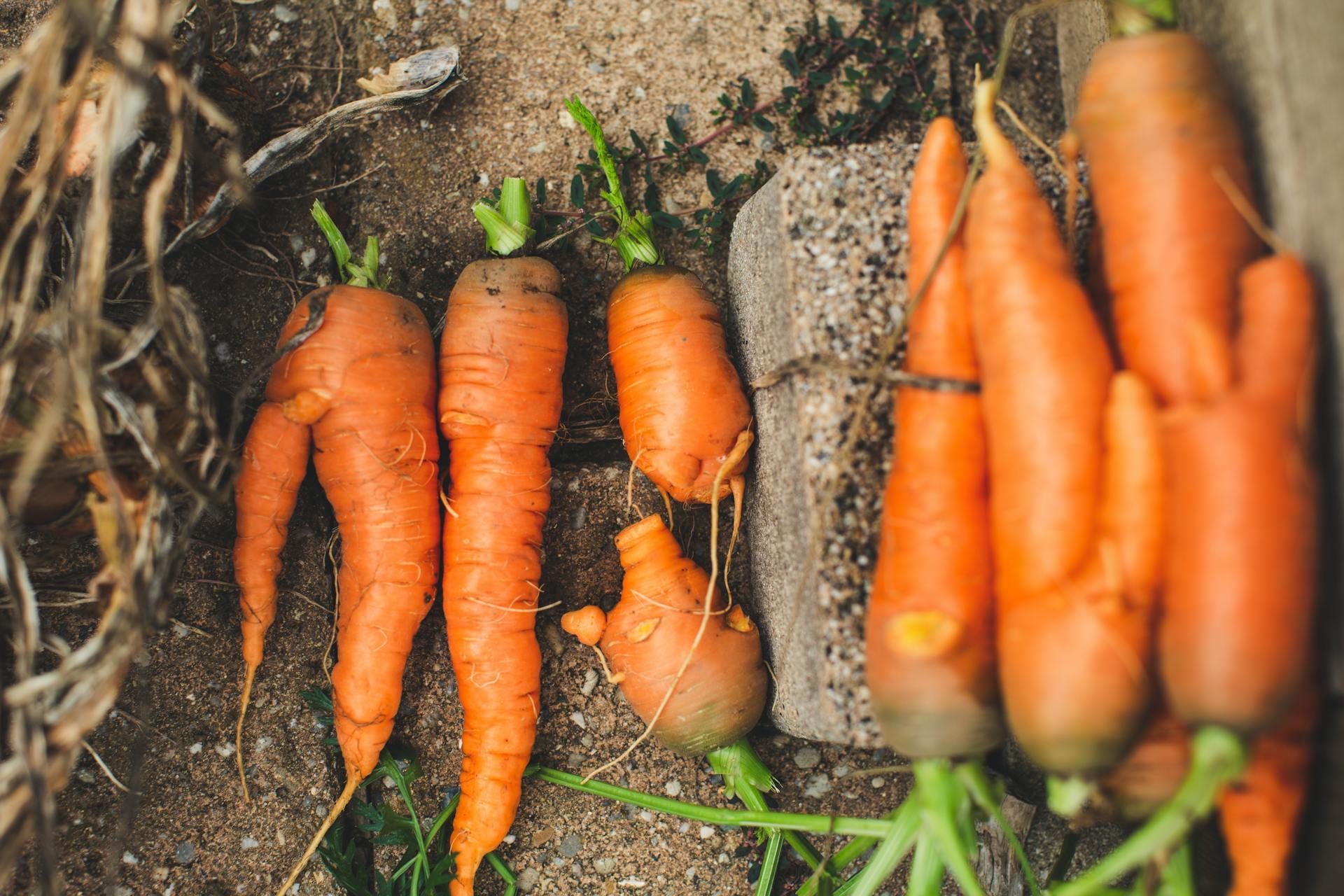
Carrots, with their mild sweetness, visual aesthetics, and soft textures when cooked, become a perfect opening act in this phase. They offer a gentle familiarity of taste yet provide an unprecedented new experience for the infant.
From Silk to Soupy Textures
The Importance of Preparation
The way you serve the "orange glow" matters just as much as the ingredient itself. The raw form, however innocuous for adults and rabbits, is unsuitable for babies.
Evolution of Texture
A smooth blend of liquid gold puree mixed with breast milk or formula is the silken legacy of baby food. Following this, a soft mash acts as "light dumbbells" for tongues to explore movement.
Autonomy Through Finger
A Steamed Stick or Batônnet (finger-length pieces) provides full autonomy for babies to consume and explore. This newfound vegetable fuels their growing appetites.
Building a Foundation
The art of structure is key to creating a foundation for young tastemakers. Once the era of "Baby-Led Weaning" begins, a slight roast buttresses gross, fine, and oral motor movements. A snapshot of an orange smear on their cheeks adds charm to the journey of parenthood.
Tips for Working Parents
For working parents, a go-to move for a stress-free mealtime is to steam small batches ahead of time. Blending smooth soups and storing them in portions is a great way to handle "hangry" moments in advance.
The Developmental Timeline
The 6-Month Milestone
6 Months
At 6 months, most babies look at your plate with jealous eyes. This is a good time to introduce the silken legacy. It’s not about finishing the whole meal on the first go, but a slow exploration of flavors. A little orange mash brings surprise and even delight.
Power of the Gums
Gums Strength
Sweetness from carrots tends to land well-no forcing needed. A grin without teeth can still pack a punch. By half a year, a baby’s gums possess industrial strength. Waiting for the first tooth delays a crucial season of discovery; the gums alone are ready to welcome earthy produce.
The 9-Month Pincer Grasp
9 Months
Babies often develop the pincer grasp-using the thumb and index finger to pick things up-around 9 months. This offers a fun playtime challenge through soft bite-sized bits and steamed sticks, laying the coordination they need for the future.
The 12-Month Graduate
12 Months
Once the 12-month birthday milestone passes, carrots sit at the table as a family member rather than an uninvited guest. You can now shred them into muffins or cakes. Slide a few pieces into their bowl of soup while you stir yours on the stove.
Transitioning to Raw Foods
18 Months
Babies have now graduated and can look forward to the 18-month "raw quartered" phase, where the forbidden crudité shapeshifts into light finger food.
Safety First: The Baby Carrot Myth
Hidden Choking Hazards
Don’t let names fool you; "baby carrots," despite their cute branding, aren’t exactly baby-friendly. The rigid orange texture fits neatly in a lunchbox but not in tiny throats. Their firm bite and round form can be a significant choking hazard.
However, with meticulous vigilance, kids over 24 months have complete freedom to practice their chewing skills with raw baby carrots.
An Orange Palette of Goodness
Moms Are Always Right
Grated, chopped, or pureed, carrots are a powerhouse of goodness. They serve as the sensory prelude to a lifetime of vitality. We often hear the phrase, "Eat it, they are good for your eyes," when kids push orange slices aside. It turns out moms are always right.
Digestive and Sensory Benefits
Baby tummies respond well to carrots because the fiber keeps things running steadily. Their gentle sweetness pleases little taste buds even though no extra sugar is added. This root vegetable acts like a built-in reward, feeding growth quietly behind the scenes.
Vitamin A and Vitality
Imagine sunlight breaking through morning fog-that clarity lives inside carrots. Thanks to Beta-Carotene being transformed into Vitamin A, little eyes can gleam with wonder and skin stays strong through naps and spills.
A Delectable Relationship
Inside, a quiet teamwork of fiber and protective compounds keeps functions smooth. Feeding carrots is more than a journey of care; it is an introduction to the world of flavorful aromas through the hands of love.
The taste of carrots isn’t just a step on the developmental ladder; it is the beginning of a delectable relationship with the humble root, an orange spark that ignites a baby's solid world.