What to Do If Your Toddler Is Refusing to Eat Anything But Milk
Only parents of milk-obsessed toddlers know this kind of tiredness: around 5 p.m., when you've already filled your child's third cup of milk for the day, but they still stare at the plate of food in front of them as if it has personally offended them.
During those times, the line between nutrition and negotiation becomes unclear. You’re not just feeding a body; you're trying to work out the terms of a very small, very stubborn relationship with the world, with texture, with hunger, and most importantly, with yourself.
The Emotional Weight of Milk
For many toddlers, milk is less nutritious than stories. It smells like the beginning of life, tastes like safety, and feels like a travel blanket in a cup. That is not broken; it is growing. When a child holds on to milk, what you're seeing is often about something else entirely, something much more than lactose: the building blocks of attachment.
They are not "ruining dinner"; they are using the only language they know: repetition, routine, and resistance to practice control, comfort, and consistency.
The Clinical vs. Emotional Reality
This is why talks about "how much milk is too much" can seem so cold and clinical. There is a good reason for the pediatric line, which says that kids should drink about 16 ounces of milk a day, not as a snack, and only with meals.
But it doesn't take into account the emotional maths of a toddler who would rather sip than chew. The body may need limits, but the mind of the child needs to be understood. They are not failing; they are learning how to live in a new world where the rules of being full and bored are the same.
The Dance of the Meal
1Changing the Choreography
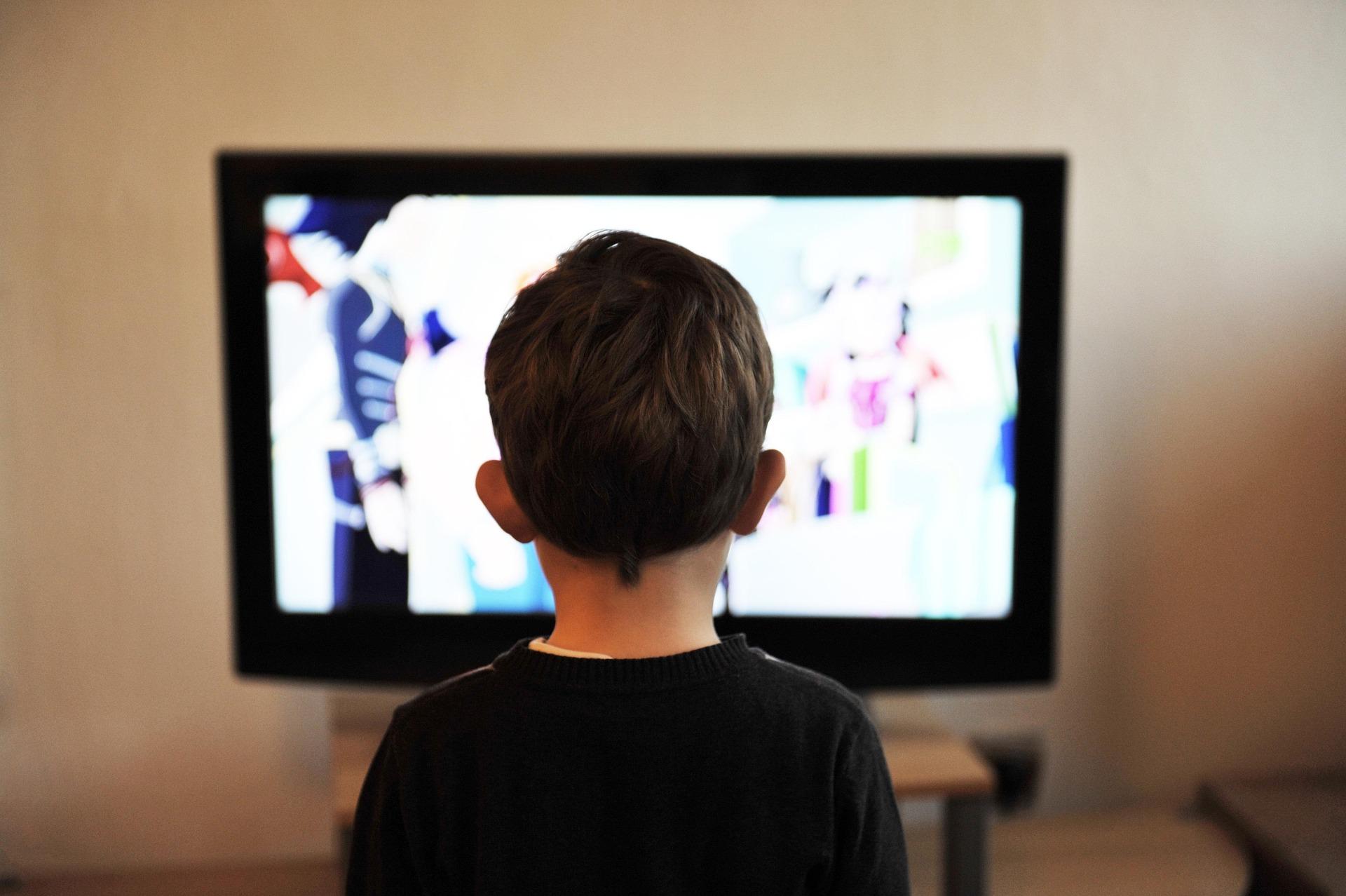
If milk is the language of love, the table is the stage. You shouldn't fight the script; instead, you should change the choreography. Start by tying milk to meals and keeping it away from the spaces in between, where dependency grows. No more sipping in the stroller, eating from a cup while watching cartoons or using milk as a dummy before bed.
2Finding the Rhythm
After that, get into the rhythm. Three meals and one or two snacks at regular times, with the understanding that the only thing you can drink between those meals is water. Structure is the foundation of safety, even though this restriction may feel like deprivation.
The Menu as a Symbol
Decision Fatigue in Toddlers
They've already had to make too many choices in the world-what to wear, where to sit, and whether to nap. Dinner is just one more choice. They don't need more stress; they need support that is less harsh.
The Art of Plate Seduction
Think of the plate as a way to slowly seduce. A toddler who won't eat broccoli may suddenly eat a piece when it looks like a tiny green "tree" on a plate full of other foods. This isn't failure; it's pacing.
No-Milk Strollers & Cartoons
Tying milk only to meals and keeping it away from spaces like strollers or screens where dependency grows.
The Water-Only Gap
Strictly offering only water between consistent meals and snacks to encourage natural physiological hunger.
Pacing & Wild Cards
Offering one known food, one unknown, and a wild card-letting curiosity rather than pressure drive the bite.
The Strength of the No-Milk Gap
This is the most surprising thing of all: sometimes, a little mild hunger is the best way to invite someone. Milk is often the answer to every question that hunger might have asked. Softly cap the milk and make a small, manageable space between the food and the fluids.
The Skill of Letting Go (of the Drama)
One of the most intimate ways a parent can feel powerless is when they see their child refuse to eat. We think it's a rejection of our work, our care, and our love. Toddlers don't eat like adults do, though. Their appetites change all the time, depending on growth spurts, moods, and sensory thresholds.
Leading with Calm: Your calm is what they need, not your worry. Put the plate down, sit next to them, and let the story unfold without saying anything.
When Milk is More Than Just Milk
If the refusal continues after consistent structure, it might be worth asking if there is more going on. Some toddlers drink milk to put off transitions-bedtime, daycare, or the end of a favorite activity.
A pediatrician or feeding expert can help you peel back the layers, but the real work is yours: to hold the container of routine and limits while the child learns the world is safe.
The Final Edit
The hard part is not rewriting the story in a day, but editing it slowly, gracefully, and with enough care to keep the child's dignity. In that space between the cup and the plate, something very important is being learned: that hunger can be dealt with, that change can be trusted, and that love doesn't always come in a bottle.