Dry Lips in Babies: Common Causes, Easy Home Remedies
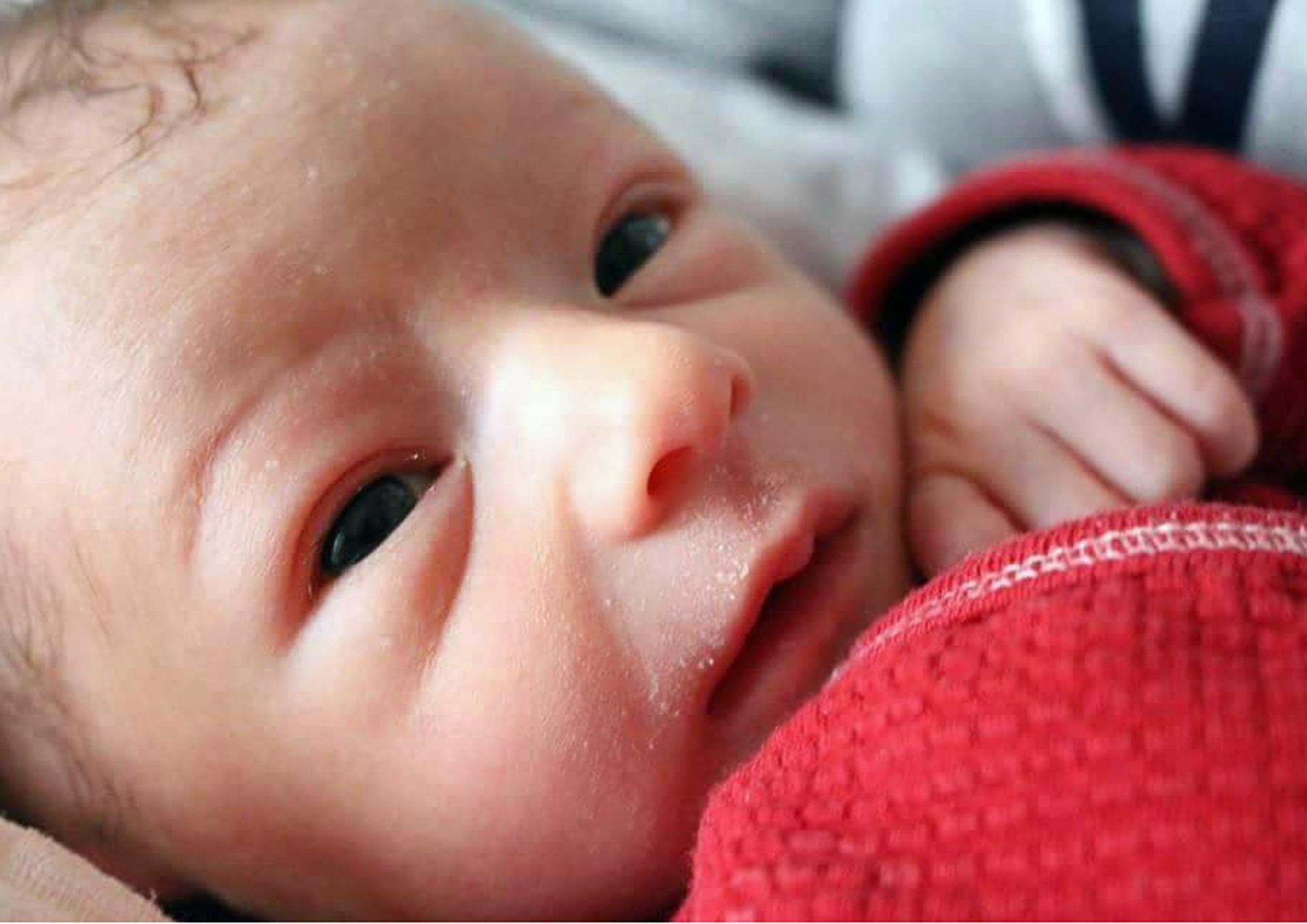
Seeing your precious little ones dry lips can be stressful and confusing. You might me wonder if they are in pain or is it a sign that something is wrong. Dry lips are very common and it can be easily cured at home. Since a baby's skin is much lighter than your skin, it reacts even for small changes in the environment.
This informative blog will help you understand why babies have dry lips, how to fix it using simple home remedies and when to call your pediatrician.
Normal vs Dry Lips
Understanding the signs of dry versus healthy lips can make a big difference in caring for them. Here's a quick comparison:
| Healthy Baby Lips | Dry Baby Lips |
|---|---|
| Soft, moist, and smooth | Sore, red, and cracked |
| Free from cracks and redness | Flaky and dry |
| Look plump and comfortable | Rough and cause discomfort |
Dry Lips: Is It Normal?
The very short answer is: **Yes.** Most babies will experience dry lips at some point, especially during their first few months of life. Their skin is still developing its ability to hold onto moisture.
Common Causes
Newborn Peeling
Skin peeling is very common for newborns to shed some skin in their first few weeks as they adjust to the air outside the womb. This often includes the lips.
The Sucking Blister
Some babies develop a small, painless callous or 'blister' on their top lip from vigorous breastfeeding or bottle-feeding. When this peels, it can look like dry lips.
Saliva and Drool
Babies drool a lot. When saliva sits on the lips and then evaporates, it strips the natural oil on the skin, leading to dry lips.
Weather and Environment
Cold winter air, low indoor humidity, or even a light breeze can dry out a baby's sensitive face very quickly.
Mouth Breathing
When your baby suffers a stuffy nose or breathes through the mouth, this constant air flow easily dries out the moisture on the lip surface.
Simple Home Remedies
If your baby's lips are a little dry, you can usually treat them at home with these safe remedies:
Breast Milk
This is often called liquid gold for a reason. Drop a few drops of breast milk onto the baby's dry lips. Breast milk contains natural fats and healing properties that moisturize and protect without any harmful chemicals.
Coconut Oil
A tiny drop of organic, food-grade coconut oil is a very safe and effective method. Since babies lick their lips, coconut oil is a great lick-safe moisturizer. (Prefer homemade coconut oil to avoid chemicals).
Humidifier
If the air in your home feels dry, try running a cool humidifier in the baby's room at night to help keep their skin and nasal passages hydrated.
When to See a Doctor
Usually dry lips are harmless, but they can be a starting sign of dehydration. Call your pediatrician immediately if you notice any of these red flags:
Dry Diapers
If your baby has fewer than 6 wet diapers in a 24-hour period, it strongly indicates they are not getting enough fluids to stay hydrated.
Absence of Tears
If their eyes remain completely dry even after a long cry, it is a classical sign that their body water level has dropped to a very low level.
Deep Cracks or Bleeding
If the skin on the baby's lips begins to crack deeply, bleeds, or shows any kind of infection, you should seek professional help.
Extreme Sleepiness
If your baby looks incredibly weak, lacks their usual energy, or is much harder to wake, do not wait to call your doctor immediately.
High Fever or Illness
When dry lips are paired with a high temperature or a persistent cough, it may mean an underlying illness is causing the dryness.